
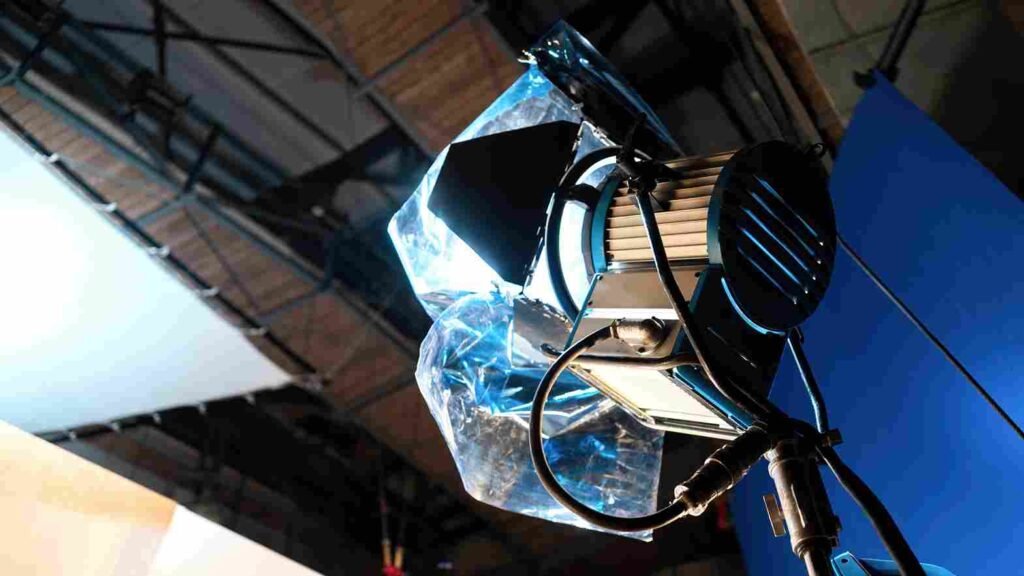
Picture a corporate presentation where the speaker’s face is washed out by overhead fluorescents, or a hybrid meeting where remote participants squint to see who’s talking. These scenarios happen more often than they should, and they’re entirely preventable. Audio visual lighting has evolved from a technical afterthought into a strategic asset that shapes how audiences perceive, engage with, and remember your message.
As organizations invest in 4K displays, premium sound systems, and advanced collaboration tools, lighting remains the element that ties everything together. When done right, it transforms a functional space into a compelling visual environment. When neglected, it undermines even the most sophisticated AV installations.
What Makes Audio Visual Lighting Different
Audio visual lighting goes beyond simply illuminating a room. Traditional lighting focuses on visibility and energy efficiency. AV lighting prioritizes how people and content appear on camera, how displays render without glare, and how audiences experience the space both in person and remotely.
The discipline addresses three critical factors: color accuracy, contrast management, and integration with other systems. Color temperature must match both human perception and camera sensors. Contrast levels need careful balancing, enough to create depth and focus, but not so much that cameras lose detail in shadows or blown-out highlights. Integration ensures lighting responds dynamically to presentations, video conferences, and live events without manual intervention.
This specialized approach explains why standard office lighting often fails in modern meeting spaces. A room might feel bright to occupants but produce dark, grainy video feeds. Audio visual lighting solves this disconnect by designing for both the human eye and the camera lens simultaneously.
Why Lighting Matters More Than Ever
The shift to hybrid work has elevated lighting from a convenience to a necessity. Remote participants now represent a significant portion of meeting attendees, and their experience depends almost entirely on video quality. Poor lighting creates immediate barriers: faces become difficult to read, body language gets lost, and professional credibility suffers.
Stage lighting plays an equally vital role in corporate events, training sessions, and presentations. A well-lit speaker commands attention naturally. Proper illumination reduces eye strain during extended viewing sessions and helps audiences maintain focus on key messages rather than visual distractions.
AV illumination systems also affect how digital content appears. Projectors require controlled ambient light to maintain image contrast. LED walls perform best with complementary lighting that doesn’t compete with screen brightness. Interactive displays need glare-free positioning that keeps content legible from multiple viewing angles.
The business case extends beyond aesthetics. Effective lighting improves communication outcomes, supports brand image, and creates memorable experiences that generic spaces simply cannot match.
Essential Components of Professional Lighting Systems
Modern stage lighting systems combine multiple technologies to create flexible, powerful solutions. LED fixtures have become the industry standard, offering consistent color temperature, dimming capabilities, and lifespans that dramatically reduce maintenance costs. Unlike traditional incandescent or fluorescent sources, LEDs maintain stable color output throughout their operational life.
Key lights serve as the primary illumination source, positioned to eliminate unflattering shadows while maintaining natural-looking dimension on faces. Fill lights soften harsh shadows without overpowering the key light. Backlights separate subjects from backgrounds, creating visual depth that prevents the flat, lifeless appearance common in poorly lit spaces.
Spotlights and moving head fixtures provide focused illumination that can follow presenters across a stage or highlight specific areas during transitions. Wash lights create broad, even coverage for backgrounds and audience areas. Softboxes and diffusers modify harsh light sources into flattering, camera-friendly illumination.
Control systems tie everything together. DMX512 protocols allow precise management of individual fixtures, creating scenes and presets that operators can recall instantly. Modern controllers integrate with building automation systems, adjusting lighting based on scheduled events, occupancy sensors, or manual overrides from a central interface.
The sophistication of these components means professional guidance often proves valuable. Small adjustments in fixture placement, color temperature, or intensity can produce dramatically different results.
Designing Lighting for Different Environments
Meeting rooms require a balanced approach that prioritizes video conferencing quality. Front-facing illumination keeps participants visible without creating harsh shadows or hot spots on screens. Dimmable fixtures allow adjustment for different times of day, preventing afternoon sun from washing out faces or creating backlit silhouettes.
Auditoriums and presentation spaces demand layered lighting designs. House lights provide general visibility, while stage lighting creates focal points and visual interest. Separate zones allow operators to dim audience areas during presentations while maintaining proper illumination on stage. Camera positions determine lighting angles—what looks good to an in-person audience may not translate well on video without specific camera-optimized fixtures.
Multi-purpose spaces present unique challenges. A room might host video conferences in the morning, presentations in the afternoon, and social events in the evening. AV illumination systems for these environments need preset scenes that adapt quickly between uses. Motorized fixtures and programmable controls make these transitions seamless rather than time-consuming.
Broadcast and recording studios require the most precise lighting control. Color rendering index (CRI) values above 90 ensure skin tones appear natural on camera. Three-point lighting setups remain standard, with careful attention to catch lights that add sparkle to eyes and prevent subjects from appearing lifeless on screen.
Successful designs also account for glare management. Displays positioned perpendicular to windows need blackout capabilities or strategic fixture placement. Recessed lighting with proper beam angles prevents direct light from hitting screens while still illuminating the surrounding space adequately.
Integration: Making Systems Work Together
Audio visual lighting reaches its full potential when integrated with video, sound, and automation platforms. Network-based control systems like Crestron, AMX, or QSC allow operators to manage entire environments from a single interface. A button press can lower shades, dim house lights, bring up stage illumination, and activate microphones simultaneously.
Camera integration proves particularly valuable for hybrid events. Lighting presets can be synchronized with camera switching, ensuring proper exposure as shots change. Auto-tracking cameras benefit from consistent lighting across their range of motion, preventing exposure hunting as subjects move through the space.
Occupancy sensors trigger appropriate lighting scenes when people enter rooms, then return to energy-saving modes when spaces sit empty. Daylight harvesting systems adjust artificial lighting based on natural light levels, maintaining consistent illumination while reducing energy consumption.
These integrations transform static lighting installations into responsive systems that adapt to real-time conditions. The result is spaces that feel intuitive to use while reducing the technical burden on users and support staff.
The Future of AV Lighting
Several trends are reshaping audio visual lighting practices. Smart lighting systems with built-in sensors and processors can adjust color temperature throughout the day to match circadian rhythms, potentially improving occupant alertness and comfort. AI-driven automation analyzes room usage patterns and optimizes lighting schedules accordingly.
Wireless DMX and IP-based lighting protocols simplify installation while providing greater flexibility for reconfigurations. Fixture manufacturers are developing products specifically optimized for camera performance rather than just human vision, recognizing that video capture has become a primary consideration.
Sustainability continues driving adoption of LED technology and intelligent controls that minimize energy waste. Some organizations now consider lighting’s carbon footprint as seriously as its visual performance, seeking solutions that balance both priorities.
The growing sophistication of virtual and hybrid events is pushing lighting designers to think beyond physical spaces. How lighting appears on camera matters as much as how it feels in person, requiring designs that satisfy both audiences simultaneously.
Creating Spaces That Communicate
Audio visual lighting shapes how messages are delivered and received. It influences mood, directs attention, and creates professional impressions that extend far beyond the immediate moment. Well-designed lighting makes presenters more confident, audiences more engaged, and content more memorable.
As visual communication becomes increasingly central to business operations, lighting quality can no longer be an afterthought. The spaces that succeed will be those where every element (video, sound, and especially lighting) works together to support clear, compelling communication.
For organizations seeking comprehensive AV solutions, partnering with experienced integrators ensures lighting designs that truly serve their communication goals. Intav specializes in complete audio visual lighting implementations, from initial design through installation and ongoing support. As a certified interior design contractor, Intav brings expertise in creating environments where technology and space work together seamlessly, delivering reliable systems that enhance how people connect and communicate. Contact us now to get free consultation.

